Vodafone Idea’s Moratorium Reality
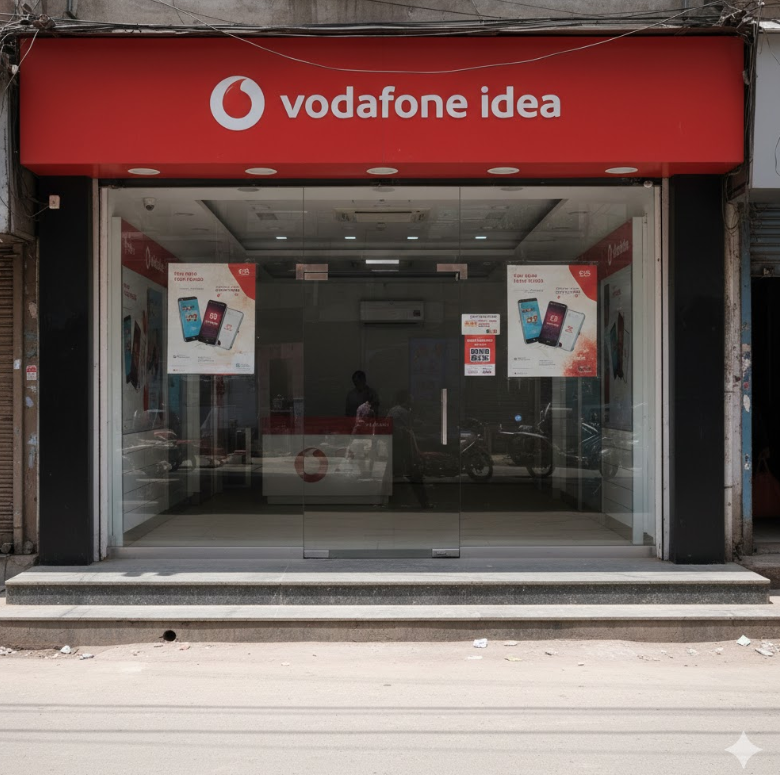
Vodafone Idea isn’t getting saved — it’s getting another temporary oxygen cylinder. And like every time, the government is stepping in not because the company earned it, but because letting it collapse would create a telecom disaster India can’t handle right now. The talk of a “big breather” is misleading. This isn’t relief — it’s delayed pain.
Let’s break the situation down without the PR-friendly headlines.
Vodafone Idea’s financial mess has been growing for years. Massive AGR dues, shrinking market share, brutal competition from Jio and Airtel, and a customer base that keeps eroding — everything about this company screams instability. Yet here we are again, watching another bailout-style move, disguised as a “moratorium extension.”
The government is likely offering an interest-free moratorium of four to five years on more than ₹83,000 crore of statutory dues. That sounds generous until you understand the reality: this money isn’t disappearing. The ticking time bomb is simply being pushed further away so the system doesn’t explode immediately.
Under the earlier schedule, Vodafone Idea was supposed to pay over ₹18,000 crore next March as the first instalment after the moratorium on AGR payments ended. This number exists because the previous moratorium was not interest-free. The dues grew every year. Vi was drowning, and everyone knew it.
With the new plan, the company may end up paying half of the ₹83,000 crore instead of the full amount after reassessment. This isn’t mercy; it’s damage control. If Vodafone Idea collapses, millions of subscribers will be forced to migrate, networks across the country will be overloaded, and India will end up with a near-duopoly. No government wants to deal with that chaos.
That’s why this “breather” exists.
Now let’s cut deeper into the reality Vodafone Idea refuses to confront.
1. The company still has no credible business turnaround.
Relief from payments doesn’t fix weak ARPU. It doesn’t fix subscriber loss. It doesn’t fix outdated infrastructure. The moratorium simply postpones the consequences of these failures.
2. Investors aren’t lining up to rescue Vi.
The company has been begging for funding for years. Most investors don’t trust its survival. This forced the government to step in — again — because no private player wants the risk.
3. Vi’s dues didn’t magically shrink.
A reassessment doesn’t mean Vi suddenly became financially healthier. It only means the government prefers recovering something rather than watching the company die and recovering nothing.
4. Competition is unforgiving.
Jio and Airtel keep expanding aggressively, improving 5G rollout, boosting ARPU, and strengthening their networks. Vi can barely keep up. A moratorium doesn’t erase a decade of strategic missteps.
5. This relief buys time — nothing else.
Time for Vi to raise capital.
Time to stabilize operations.
Time to avoid bankruptcy headlines.
But the company must use this window ruthlessly. If it wastes this opportunity the way it wasted previous ones, the next collapse will be far worse.
What most people don’t understand is this: India cannot afford a two-player telecom market. Prices will skyrocket. Customer choice will vanish. Innovations will slow down. That’s why the government keeps helping Vi survive. Not for Vi’s sake — but for the sector’s stability.
However, even with the government stepping in, the responsibility is on Vodafone Idea. They can’t keep sleeping behind excuses. They can’t expect another bailout. This moratorium is the final warning: rebuild or die.
Vodafone Idea needs a complete internal overhaul — leadership discipline, aggressive cost control, real network expansion, and a pricing model that actually reflects operational reality. If they fail to act, even the government won’t be able to justify another rescue attempt.