China’s Dollar Bond Move in Saudi Arabia
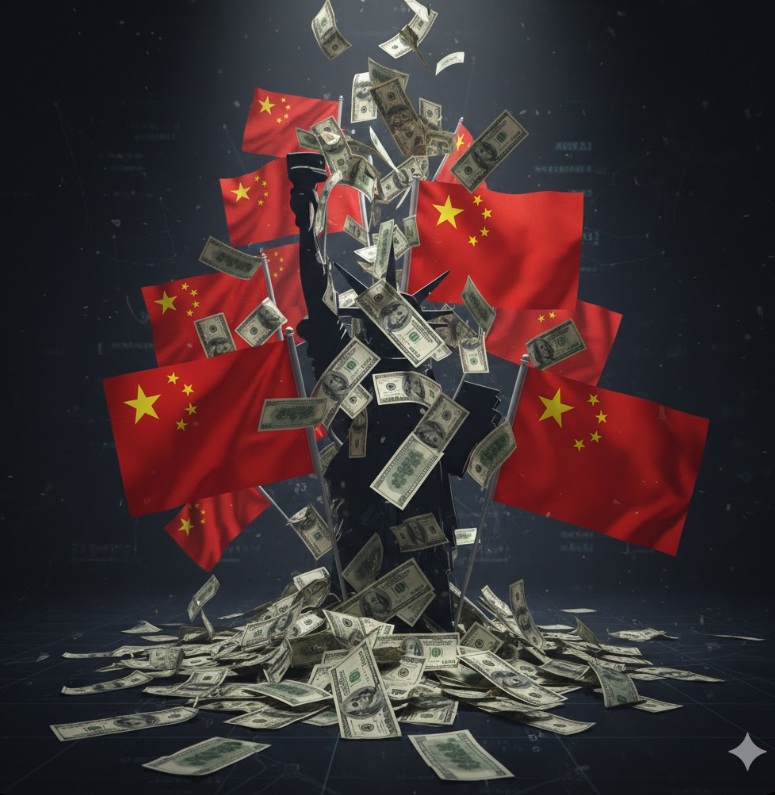
China selling dollar-denominated bonds in Saudi Arabia isn’t some routine financial event. It’s a calculated power move designed to expose the fragility of America’s financial dominance. Anyone calling this “normal” either doesn’t understand global finance or is pretending not to. China issuing US-dollar bonds on Saudi soil is a direct message: the global financial center of gravity is shifting, and the US isn’t doing anything to stop it.
Let’s break this down without the diplomatic sugarcoating.
China could issue bonds anywhere — Hong Kong, Singapore, London — but it deliberately chose Saudi Arabia. That’s not a coincidence. China wants influence over markets that the US historically controlled. And Saudi Arabia, once America’s most obedient energy partner, has been slowly repositioning itself away from blind loyalty to Washington.
There are three strategic intentions behind China’s move, and none of them are subtle.
1. China wants to show it can weaponize the US dollar against the US.
Selling bonds in dollars allows China to tap into global liquidity while using America’s own currency as the tool. That’s the irony: China is using the strength of the US dollar to weaken US influence. Investors buy these bonds not because they love China, but because the global system is still addicted to the dollar. Beijing knows this, so it exploits the dependency until it finds a way to break it entirely.
2. Saudi Arabia is no longer America’s obedient partner.
This is the part no analyst wants to say out loud. The US-Saudi relationship has slipped. China stepped in with investments, oil purchases, and diplomatic support — and Saudi Arabia responded. Hosting Chinese dollar bonds isn’t just a financial event; it’s a geopolitical signal. Riyadh is diversifying power relationships. And China is gladly filling the vacuum left by years of sloppy US foreign policy.
3. China is building influence in the Middle East’s financial architecture.
For decades, the US used its financial tools — treasury markets, the dollar system, sanctions — to control global politics. China can’t replicate that instantly, but it’s building a competing structure piece by piece. By issuing dollar bonds in Saudi Arabia, China is plugging itself into the region’s financing channels while bypassing Wall Street. That’s a small but important step in reducing dependence on American financial intermediaries.
The Core Question: Will China Trump the US?
No — not yet. But it exposes cracks in the system America once controlled without challenge.
The brutal reality is simple: The US still dominates global finance because it controls the global monetary system, global liquidity, and global trust. China cannot replace that today. But China can undermine it over time — and that’s exactly what moves like this are designed to do.
China doesn’t need to beat the US outright. It only needs to weaken the monopoly. If multiple financial centers rise — Riyadh, Shanghai, Abu Dhabi — the US loses leverage, even if it remains powerful.
And don’t forget this: Dollar bonds are only the first step. China is playing the long game. Once enough trust is built, it will start expanding yuan-based instruments in the Middle East. Saudi Arabia has already entertained conversations about accepting yuan for oil. If that ever becomes mainstream, it would be the biggest financial blow the US has ever taken.
The Paradox
China hates US dominance, but it needs the US dollar for global reach. That’s the contradiction. The important part isn’t what’s happening today — it’s the direction of movement.
The US is losing loyalty from key partners. China is gaining influence through economic incentives rather than military pressure. Saudi Arabia is choosing flexibility over blind allegiance.
The financial world doesn’t shift in headlines. It shifts in patterns, and this bond issuance is one of those patterns.
Conclusion
China isn’t replacing the US today — but it is strategically attacking weak points that America refuses to defend. If the US keeps underestimating moves like this, it won’t lose dominance suddenly; it will bleed influence slowly until the world no longer needs American permission to move money.